Sept 20, 2019
We woke up a little tired and groggy today. We had a late breakfast and decided that we would try to visit the eastern side of the Avalon Peninsula today. This area is called the Irish coast because of the high influx of Irish settlers back in the 1700s. As you leave the city of St. John’s, for a short distance, there are small farms that appear to grow grains. As we travelled further south, the landscape changed to forests again.
Witless Bay is along this coastline and I wanted to visit that also. Over 60% of the puffin population in North America makes this area their nesting ground. It is now an ecological reserve. Our stop in Witless Bay was picturesque. The ecological reserve consists of four barren islands that you can see from the shore. The only birds on the islands were sea gulls. We learned that the black backed sea gull is the main predator of the puffins. These sea gulls are highly predatory and hunt and kill juvenile puffins. We also learned that puffins spend their first three early years totally at sea.
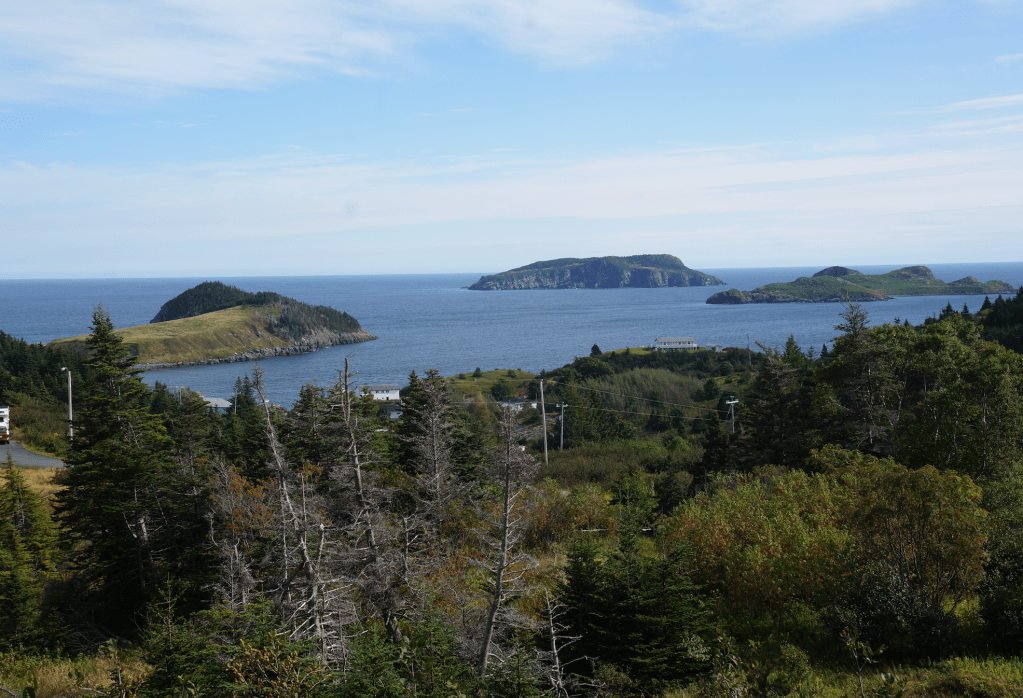
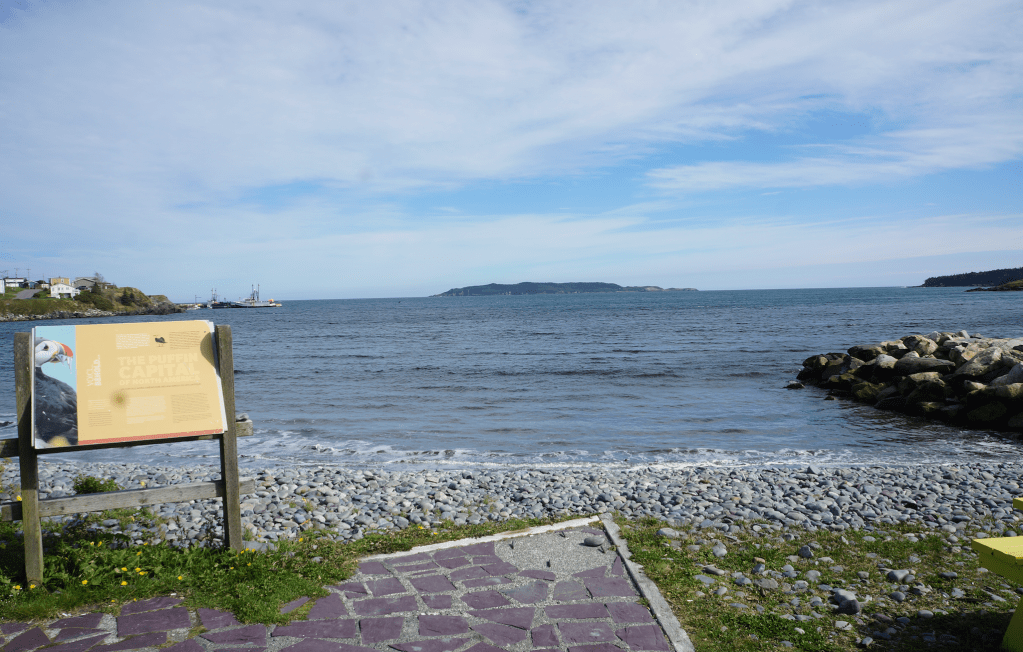
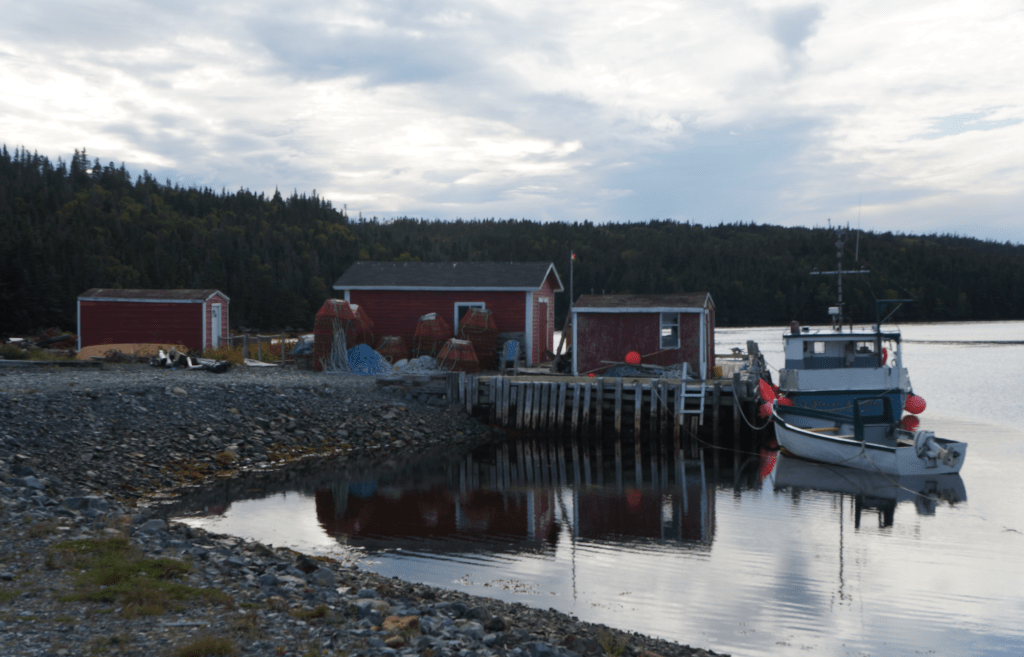
We continued our trip south and stopped in several small villages along the way. We were particularly impressed with the villages of Burnt Cove, Bauline South. These villages are positioned at the end of the bays and have small accessible beaches. We wanted to find some sheltered coves but most of them are open to the Atlantic. As I was reading some information signs at Witless Bay, a lady drove up in her car. She had kayak ranks on the car. She rolled down her window and said that if I was looking to go kayaking she suggested Ferryland or Aquaforte. Both of these coves are protected and accessible. Due to the expected high winds and surges from the hurricane Humberto we did not want to venture out too far. The problem now is that both these places were too far south for us to have any time to go kayaking. We decided to visit them anyway.

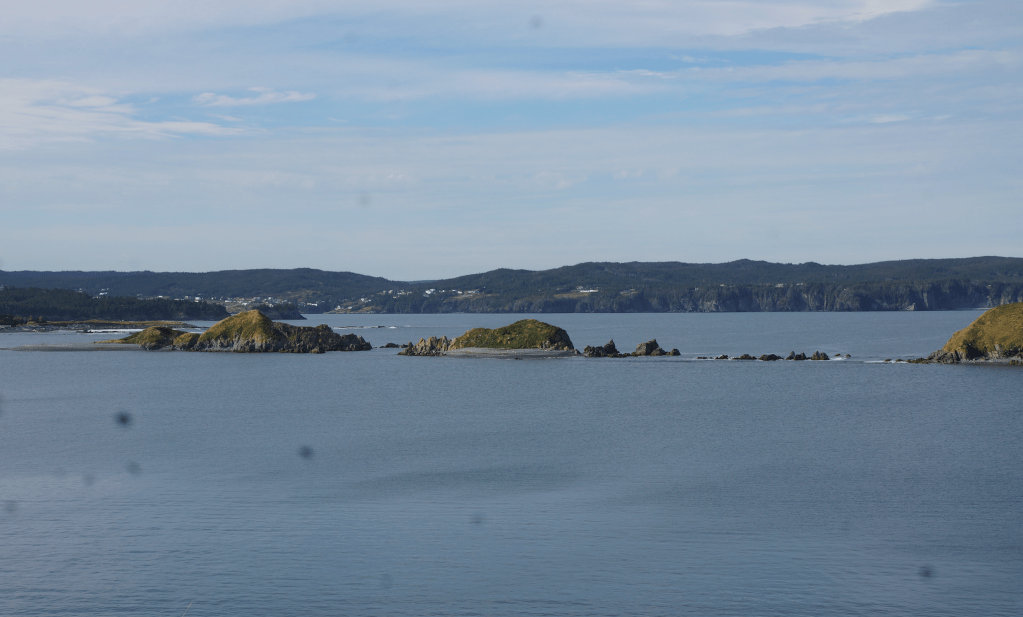
Ferryland is impressive as it was the first settled colony in Newfoundland. In 1621, Lord Baltimore developed the Colony of Avalon in this bay and successfully repelled several attacks from the French during those early years. It now a National Historical Site and archeological digs are still going on there today. We drove as far as we were allowed toward the lighthouse that was located on the point. Hikers can go to the lighthouse and order a lunch to take out to the point and have a picnic. Unfortunately it closed when we got there.
We drove into the village of Aquaforte. This tiny village is nestled behind the headlands with a long sheltered harbor. Truly a perfect kayaking area, but it was too late in the day for us to attempt. Aquaforte also has the lowest postal code in Canada – A0A 1A0.
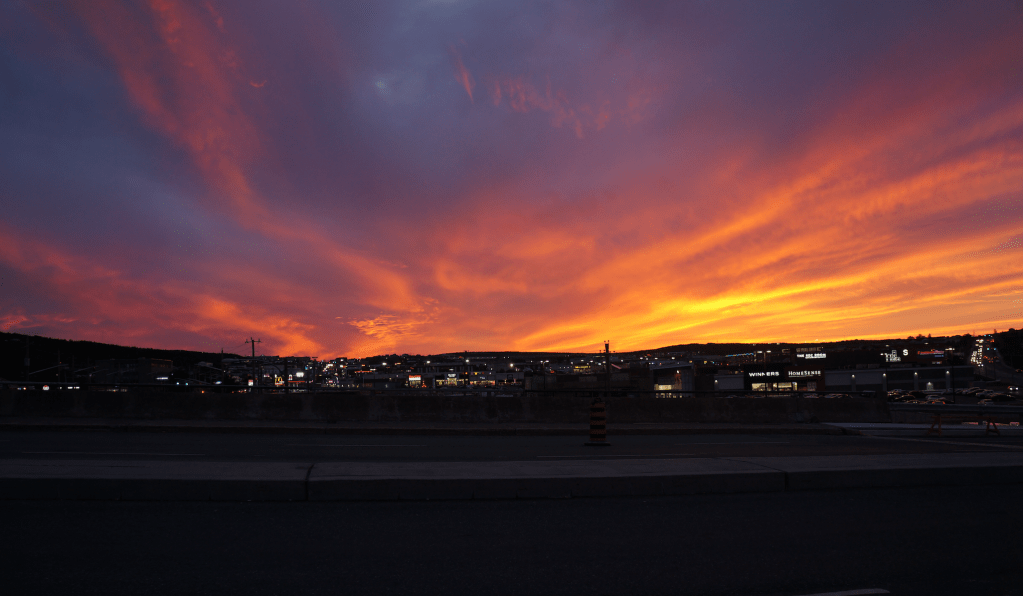
We felt it was time to return to St. John’s as it was getting dark. As we approached St. John’s the evening sky began to turn a brilliant red/orange. There had been a serious water main break near our campground and several of the main roads now had detours. We tried to get into our campground and kept getting sent around to various barricades. We finally explained our dilemma to one of the flag persons who called their supervisor. He directed us to a blocked off area, told us to take down the barricade, drive trough and then replace it! Debbie got out, stopped traffic, moved some cones, then replaced them after I drove through. We never did found out why we were the only ones allowed to go through this way, as there are several other campers in the campground.
We paid for two more nights here, as the Argentia ferry was postponed until Sunday due to the hurricane warnings. We were pleased that we had explored the Avalon Peninsula and saw another interesting area of this province.

 Quilting in a Kayak